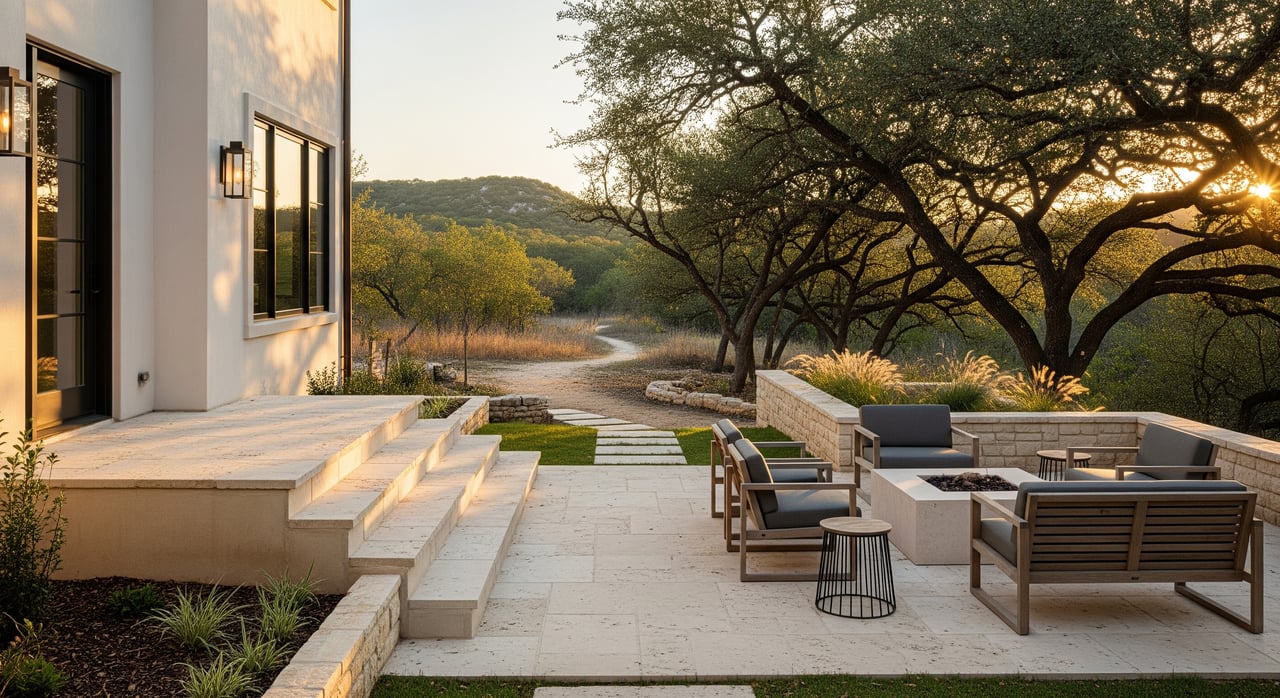
Barton Hills Greenbelt Access and Everyday Living
December 18, 2025
December 18, 2025
Imagine stepping out your front door and being on a shaded limestone trail within minutes. If you love running, hiking, biking on permitted sections, or cooling off at creek pools, living near the Barton Creek Greenbelt can shape your everyday routine. You also want to know how busy it gets, where people park, and what that means for daily life. In this guide, you’ll learn the key access points from Barton Hills, what to expect at different times of day, and how to evaluate a home’s location with confidence. Let’s dive in.
The Greenbelt is a long, natural corridor that runs west from Zilker Park toward the hill country. It connects a network of formal trailheads and smaller neighborhood entries rather than acting like a single, centralized park. You can hike, trail run, mountain bike on permitted sections, and explore rocky creek beds when water levels allow. Facilities are limited outside the Zilker and Barton Springs area, so plan ahead for water and restrooms.
Living in Barton Hills gives you several ways to reach the Greenbelt on foot or by bike. The neighborhood edges the canyon in several spots, and you’ll find a mix of official trailheads and smaller street-to-trail connections. Many residents rely on short stairways and worn paths that drop from local streets into the corridor.
At the Greenbelt’s east end, the connection near Zilker Park and Barton Springs is the most heavily used. It offers the most consistent facilities compared with other access points, which is why it draws a larger crowd. If you prefer a morning lap before work, you will find more activity here than at mid-corridor entrances. Expect more swimmers on warm days when the creek is flowing.
Inside Barton Hills, several streets meet the canyon and provide short, walkable entries for residents. These tend to be simple stone steps or compact paths rather than signed, amenity-rich trailheads. They are ideal for daily runs and quick evening hikes if you live nearby. Because they are smaller, there is little or no formal parking, and signage may be limited.
As you go farther west along the corridor, you’ll find mid-Greenbelt entries with smaller parking areas and fewer amenities. These access points typically serve longer trail runs and more spread-out use. Crowds are lighter than at the east end, especially on weekdays. If you prefer quieter miles, plan your outings here when conditions are safe and open.
Usage climbs in spring through early fall, especially on warm weekends. The busiest window usually runs from late morning into the afternoon. Weekday evenings can draw runners and dog walkers but are generally calmer than weekends. Early mornings before 8 AM are often the least crowded.
Parking near the closest entries to Barton Hills is limited and fills early on weekends. Visitors often try public lots near Zilker or seek on-street parking near smaller neighborhood entries, which can create friction. Some nearby streets post restrictions or towing, and rules are enforced by the City. Like many urban trailheads, high-traffic areas can see vehicle break-ins, so avoid leaving valuables in your car.
If you want to avoid crowds, aim for early morning, especially on weekends. Evenings are a good second choice for a relaxed loop. Off-season or rainy days are much quieter, though heavy rain can lead to temporary closures or slippery conditions. Always check for posted closures and expect that rules on leashes, bikes, and hours are enforced by the City.
For a balanced snapshot of daily life, schedule weekday showings between 10 AM and 3 PM. If you want to see peak trailhead activity, add a quick visit on a weekend morning from 9 to 11 AM. To evaluate overall quiet, stop by near dawn or later in the evening on a weekday. This gives you a clear sense of pedestrian flow, trail noise, and parking spillover on your block.
If you are serious about a property, ask a few targeted questions. Start with local parking patterns, enforcement notices, and any towing history on the block. Ask whether the neighborhood association coordinates with the City on trail maintenance or parking mitigation. Confirm if there have been recent issues like unauthorized camping, late-night noise, or vandalism, and whether runoff or erosion affects the lot.
Greenbelt terrain is natural and can be rugged. Limestone gets slick after rain, and creek levels can rise quickly in storms. Wildlife sightings and native vegetation are part of the landscape, and brush may encroach on informal paths. Expect limited cell service in canyon dips and bring water, since facilities are sparse outside the Zilker and Barton Springs area.
Buyers value proximity they can feel in their routine. Highlight realistic timing in minutes to the nearest entry, not just distance. Include a simple map that shows your walking route to formal and informal connectors. If your property has direct or shared access, document any easements or City-maintained paths to keep marketing accurate.
If quick trail access, morning runs, and a vibrant outdoor rhythm fit your lifestyle, Barton Hills is a strong match. You will trade a bit of weekend bustle near popular entries for everyday convenience. With the right street and the right timing, you can enjoy the best of both calm mornings and an active outdoor community.
Thinking about a move near the Greenbelt or prepping a listing that backs to the canyon? Get local guidance on streets, access points, and timing your search. Reach out to Liz King to schedule a consultation.
Stay up to date on the latest real estate trends.
With Liz, it’s not just about the sale—it’s about the relationship. She takes the time to understand your goals, then works tirelessly to help you achieve them.