Leave a Message

Thank you for your message. We will be in touch with you shortly.

Financing A Pool Home In Barton Hills

October 16, 2025

Dreaming of a backyard swim in Barton Hills but unsure how to pay for it? You’re not alone. Between loan rules, City of Austin permits, insurance, and ongoing costs, a pool can change your monthly budget and long-term plans. This guide walks you through financing options for buying a home with a pool or adding one, plus the essentials on permits, insurance, maintenance, and property taxes. Let’s dive in.

Why pool homes fit Barton Hills

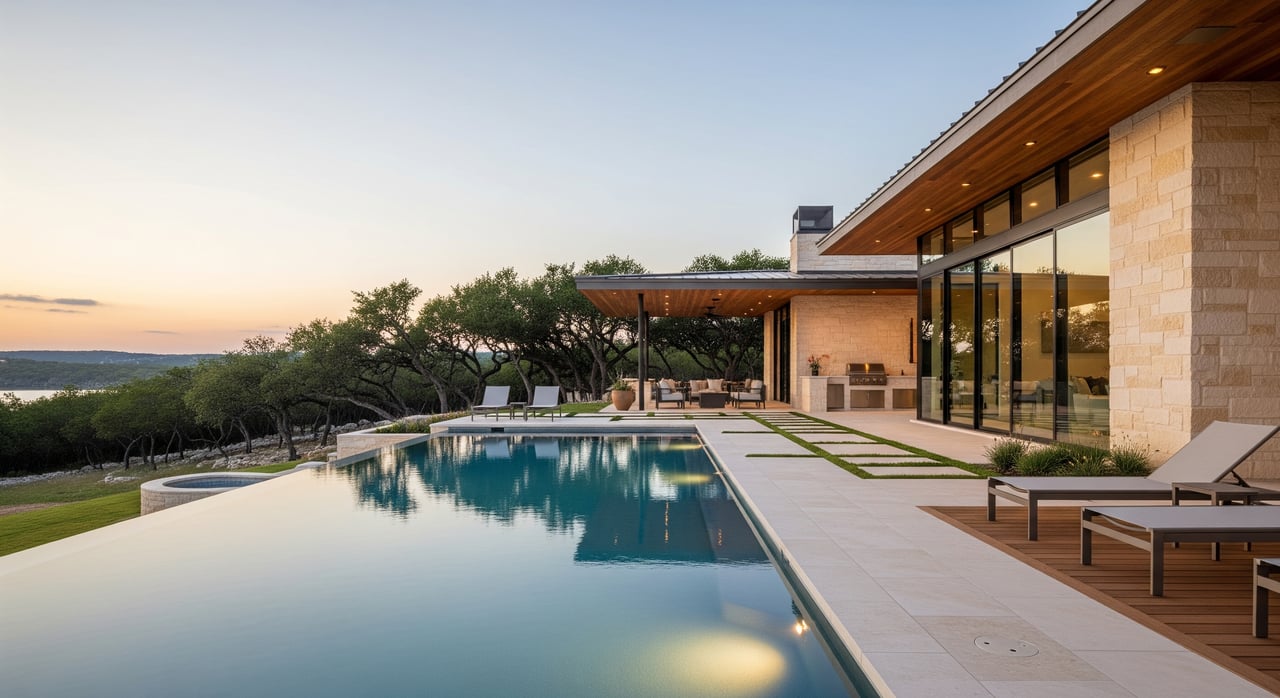
Barton Hills sits near Barton Creek Greenbelt and Barton Springs, so outdoor living is a big part of daily life. Pool homes are common in this part of Austin and often attract strong buyer interest. Understanding how a pool affects affordability helps you shop with confidence and protect resale value.

Loan options at a glance

Choosing the right financing depends on whether the pool already exists or you plan to build after closing.

Buying a home with an existing pool

You can use standard purchase mortgages to buy a home that already has a pool if the property meets lender and insurer requirements and appraises for value. Expect attention to pool condition and safety features like fencing and self-closing gates. Talk with your insurer early so you know coverage limits and any required safety items.

Building a new pool with a renovation mortgage

  • Fannie Mae HomeStyle Renovation allows financing for swimming pools and outdoor living as part of a purchase or refinance, subject to plans, permits, and inspections. Learn what’s eligible in the HomeStyle guide: Fannie Mae HomeStyle Renovation.
  • Freddie Mac offers renovation programs with lender-specific rules that can cover outdoor improvements. Ask your lender about current CHOICERenovation options and their overlays.

Loans that do not cover a new pool

  • FHA 203(k) renovation loans permit repairs to an existing pool but do not finance construction of a new pool. See HUD’s guidance: FHA 203(k) program.
  • VA renovation loans often limit “luxury” additions like new pools. Rules vary by lender and program, so confirm specifics: VA renovation loans overview.

Using your equity to add a pool

  • Home equity line of credit (HELOC): A flexible second-lien line you can draw as construction progresses. Review features and risks with the CFPB’s overview: What is a HELOC?.
  • Cash-out refinance: Replace your current mortgage with a larger loan and use the cash for the pool. Terms depend on conforming rules and your lender’s overlays. Ask about current limits, pricing, and timing before you bid on a home.

Permits and safety in Austin

Adding a pool in the City of Austin requires permits, plan review, and inspections. You or your contractor will submit plans via the city portal and pass inspections before use. Start here: City of Austin homeowner permitting resources.

Austin’s “safe fencing” standards and pool code influence design, insurance, and resale. Expect requirements for barriers and self-closing gates. Review current rules: City of Austin fencing regulations.

Pro tip: Ask your lender what they need to approve a renovation loan. Most will require contractor bids, permits, and an appraisal based on the after-improved value.

Insurance and liability costs

Pools increase liability exposure, so insurers will ask about safety features and may adjust premiums. The Texas Department of Insurance recommends reviewing coverage before you start construction and considering higher liability limits or an umbrella policy: TDI consumer blog.

Expect premiums to rise when you have a pool. Consumer data shows increases can range widely, often around 10 to 50 percent depending on features and insurer. See a breakdown of common factors: Does homeowners insurance cover pools?.

Operating and maintenance costs

Budget for ongoing care so pool ownership remains comfortable. Typical annual expenses for in-ground pools often land around $1,000 to $3,000 for chemicals, service, electricity, and minor repairs, with higher costs for heaters, spas, and complex features. Get local quotes and compare service plans: Pool maintenance cost guide.

Taxes and appraisals in Travis County

A permitted pool is considered a property improvement and can increase your appraised value, which may affect your property tax bill. Review how appraisal changes work and how to protest if needed: Travis Central Appraisal District FAQs.

Tip: Keep all permits, final inspections, and contractor invoices. Clear documentation helps with insurance, resale, and appraisal questions.

How to choose the right path

  • If the home already has a pool: Focus on condition, safety compliance, insurance quotes, and how the pool compares to recent neighborhood sales.
  • If you want to add a pool after purchase: Consider a single-close renovation mortgage like HomeStyle for a streamlined process, or price out a HELOC or cash-out refinance to see which total payment works best.
  • If you’re using a government loan: Plan on repairs only with FHA 203(k). For VA renovation, verify exactly what your lender allows.

Buyer checklist for Barton Hills pool homes

  • Confirm permits and final inspections for the pool and any outdoor structures.
  • Review service records, equipment age, and recent repairs or resurfacing.
  • Verify fencing, self-closing gates, and other safety features meet city standards.
  • Get a written insurance quote with the pool disclosed and confirm any endorsements.
  • Ask your lender about appraisal treatment and, if renovating, after-improved value.
  • Factor property tax changes into your budget and save TCAD protest deadlines.

Ready to align financing, permits, and costs with the right Barton Hills home? Get local, hands-on guidance from Liz King to compare options, understand tradeoffs, and move forward with confidence.

FAQs

What loans can finance building a new pool when buying in Barton Hills?

  • Agency renovation loans like Fannie Mae HomeStyle can include a new pool, while FHA 203(k) cannot and VA renovation options often restrict luxury additions.

Do I need a permit to build a pool in the City of Austin?

  • Yes, new residential pools require plan review, permits, and inspections through the City of Austin before use.

How will a pool affect my homeowners insurance in Austin?

  • Insurers typically increase premiums and may require safety features and higher liability limits; get quotes before you commit.

How much should I budget each year to own a pool in Austin?

  • Many owners plan roughly $1,000 to $3,000 per year for maintenance, chemicals, service, and utilities, plus periodic major repairs.

Will a new pool raise my property taxes in Travis County?

  • A permitted pool is usually treated as a property improvement that can increase appraised value, which may raise your tax bill depending on exemptions and rates.

Work With Liz

With Liz, it’s not just about the sale—it’s about the relationship. She takes the time to understand your goals, then works tirelessly to help you achieve them.