Barton Hills Lifestyle Guide to Homes, Parks & Greenbelt
February 5, 2026
February 5, 2026
Imagine stepping out your front door and onto a shaded trail within minutes. In Barton Hills, the oak canopy, classic homes, and everyday access to green space create a calm, outdoorsy rhythm that still keeps you close to central Austin energy. If you want a neighborhood that blends mid‑century character with an active lifestyle, you’re in the right place.
In this guide, you’ll learn what it feels like to live in Barton Hills, what the homes are like, where to find parks and daily conveniences, and how to shop smart in a competitive market. You’ll also get practical resources for schools, permits, and flood maps so you can move forward with confidence. Let’s dive in.
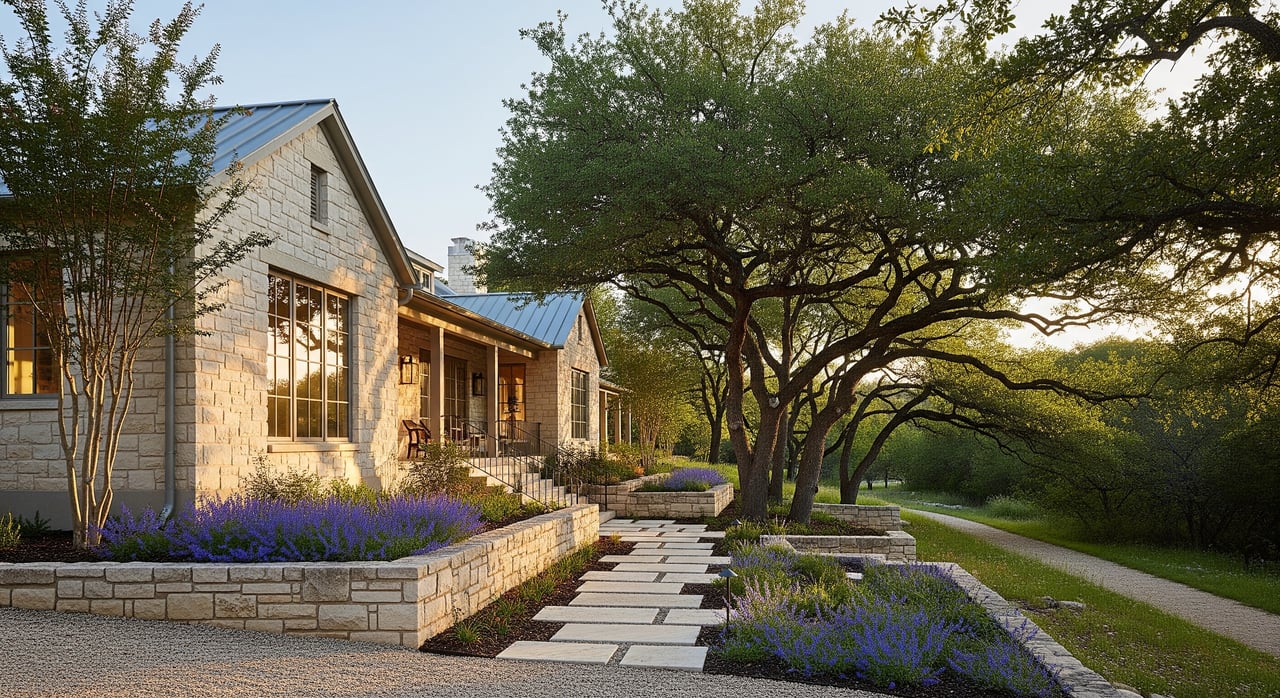
Barton Hills is a well‑established South Austin neighborhood known for mature trees, classic architecture, and an easygoing vibe. You’ll see mid‑century modern and ranch homes on comfortable lots, with shade from old oaks and a strong indoor‑outdoor feel. The neighborhood attracts buyers who value design, trail access, and proximity to central Austin’s culture and jobs.
Inventory can be limited compared with broader Austin, so desirable homes often draw interest quickly. Many original homes have been renovated, while others have been replaced with contemporary infill. You’ll want to decide early whether you prefer preserved mid‑century character or newer space and finishes.
Barton Hills sits just south of central Austin and Zilker Park, close to the South Lamar and South First corridors. Daily errands, fitness, and dining often happen along these nearby streets. Commuters typically use South Lamar with connectors to Loop 1 (MoPac) and downtown routes.
Public transit is available on major corridors through Capital Metro. If you plan to mix biking, driving, and bus service, review CapMetro routes and schedules to map your day‑to‑day routine. Most residents rely on cars and bikes for errands, with moderate walkability in parts of the neighborhood.
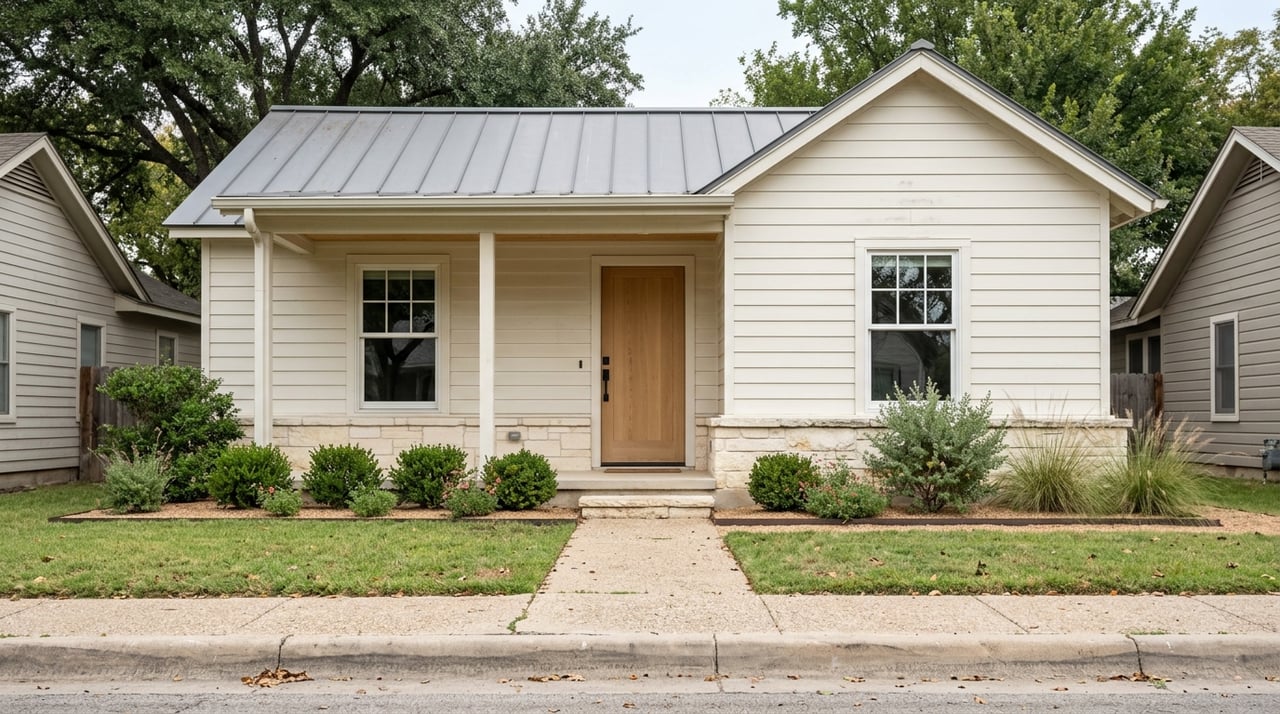
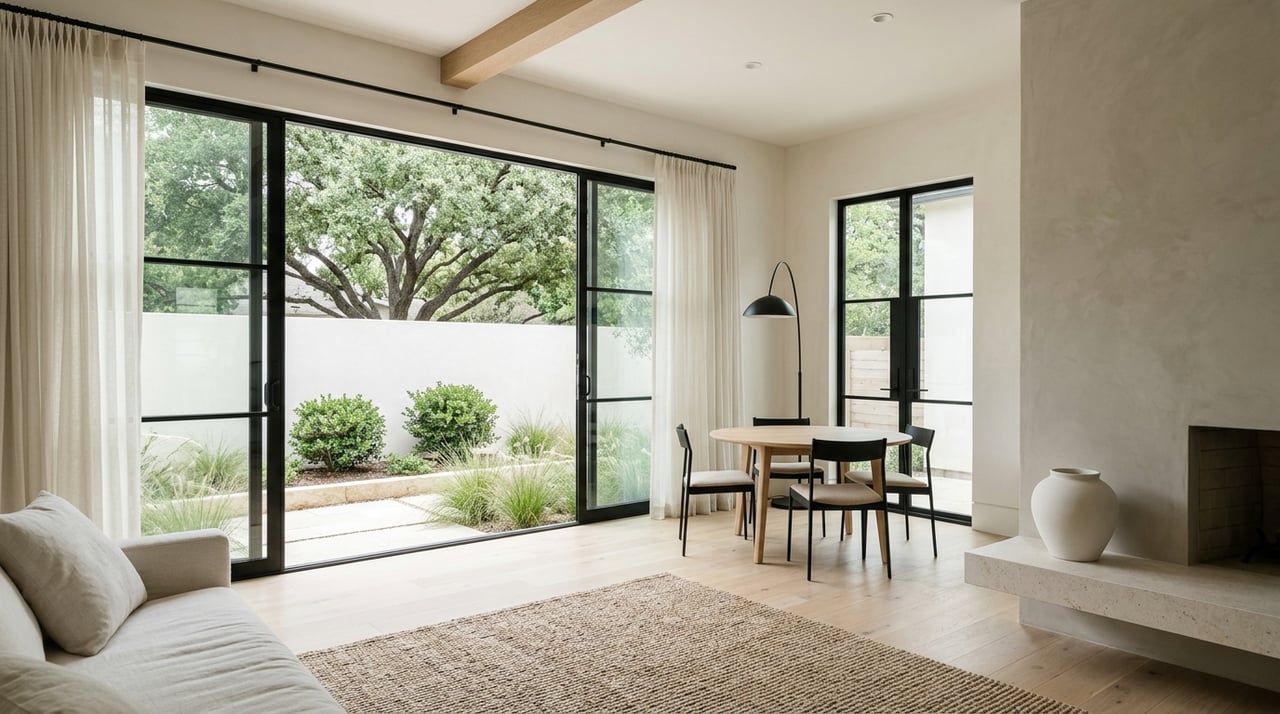
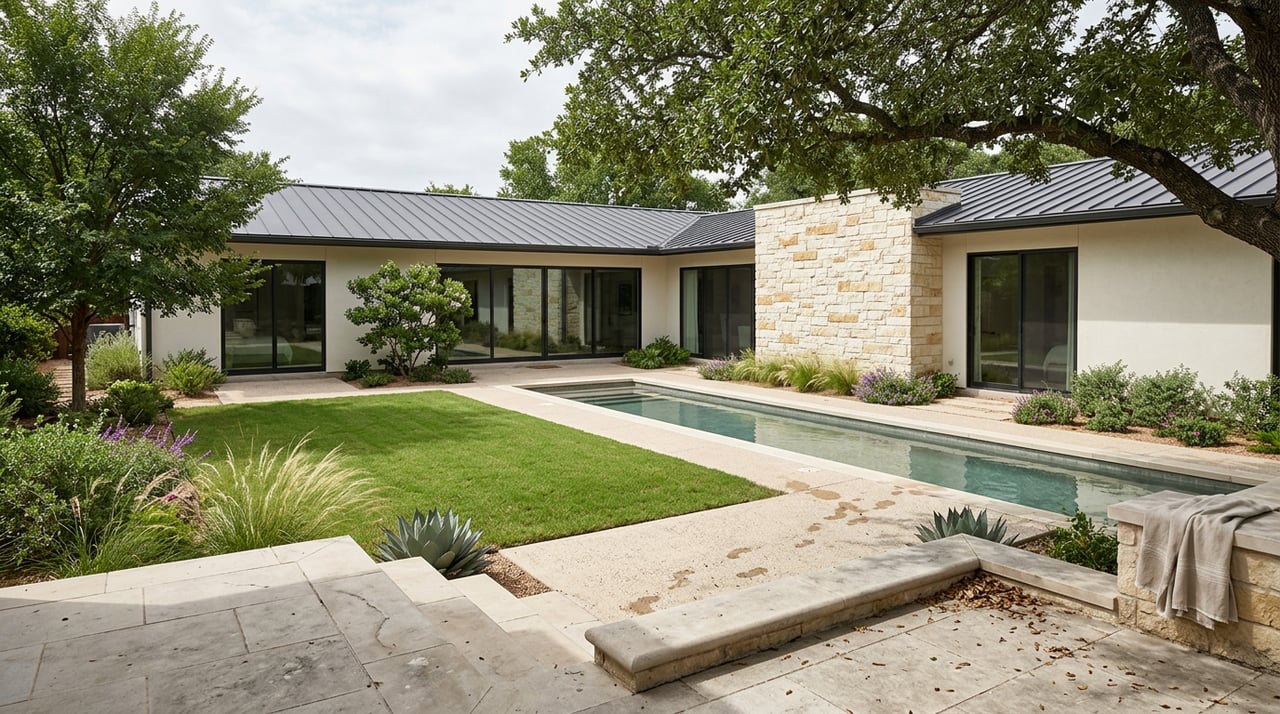
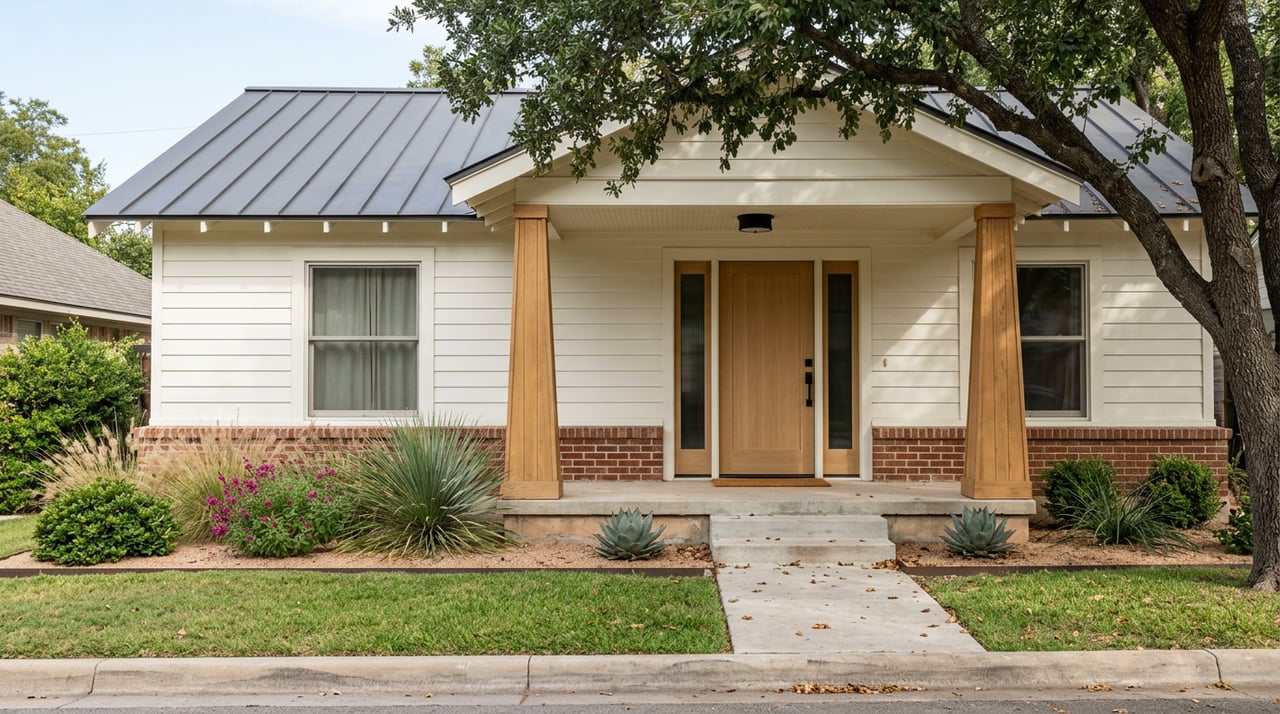
Barton Hills housing is anchored by mid‑century ranch and modern‑leaning designs. Expect single‑story layouts, large windows, and low‑sloped roofs, often updated for today’s living. Many lots feel leafy and private thanks to the established oak canopy.
With demand high, you’ll find a mix of renovated originals and newer builds. Buyers often weigh tradeoffs: preserve classic character or gain more square footage. Sellers can benefit from thoughtful updates that respect mid‑century lines while improving efficiency and indoor‑outdoor flow.
The Barton Creek Greenbelt is the neighborhood’s signature amenity. Residents use multiple access points for hiking, trail running, mountain biking, and creek time. For an overview of trail access and conditions, start with the City of Austin’s Barton Creek Greenbelt page.
You also have quick proximity to Zilker Metropolitan Park for open fields, festivals, and everyday play. Trails are dog‑friendly, and seasonal creek flow can affect swimming spots, so plan activities with safety and conditions in mind.
Food and coffee culture runs along South Lamar and South First, giving you easy access to casual restaurants, neighborhood cafes, and specialty bites. Downtown and South Congress are short drives for shopping and live music. Grocery and daily essentials are nearby on South Lamar and in surrounding South Austin corridors, making weekend errands simple.
Public school boundaries can change, so confirm current assignments before you buy. Use the Austin ISD boundary map to verify a specific address. If school performance is part of your decision, review official district and state resources for the latest data.
For neighborhood updates and local events, the Barton Hills Neighborhood Association is a helpful community touchpoint. You’ll see trail cleanups, neighborhood notices, and ways to get involved.
Competition is common for classic homes near the greenbelt and for move‑in‑ready renovations. A clear plan helps you move quickly and confidently.
Renovating a mid‑century home can keep original charm while upgrading systems, insulation, windows, and kitchens or baths. Teardowns allow more space and new construction, but may change the property’s character and require more permitting.
Austin’s tree preservation rules can affect renovation and expansion plans. Review the City Arborist’s guidelines through the City of Austin City Arborist Program to understand protected trees, permitting, and potential mitigation.
The broader Barton Creek corridor includes areas with potential flood risk. Always confirm a property’s FEMA flood zone and elevation. Start your research with the FEMA Flood Map Service Center and follow up with a licensed insurance advisor.
Zoning, setbacks, and overlays vary by lot. Before planning additions or major changes, consult the City of Austin Development Services for permitting and site‑plan requirements. For parcel details and lot records, review public data and engage your agent, inspector, and relevant consultants.
If you focus on mid‑century properties, place extra attention on building systems and site conditions.
Use these prompts to clarify what matters most.
Well‑preserved or thoughtfully updated mid‑century homes stand out. Focus on clean lines, light, and indoor‑outdoor presentation. Professional marketing helps buyers see the lifestyle: trail access, shaded yards, and flexible living spaces. If you’ve modernized systems while honoring the original design, highlight those updates clearly.
Whether you want a classic mid‑century ranch or a modern rebuild near the greenbelt, Barton Hills offers a lifestyle rooted in nature and convenience. With limited inventory and site‑specific details like trees and flood considerations, a clear plan and local guidance make a real difference.
If you’re ready to compare Barton Hills with other established Austin neighborhoods and make a confident move, let’s talk. Schedule a Consultation with Liz King for personalized guidance and a step‑by‑step plan.
Stay up to date on the latest real estate trends.
With Liz, it’s not just about the sale—it’s about the relationship. She takes the time to understand your goals, then works tirelessly to help you achieve them.