Northwest Hills Austin Foundation Inspections: What Sellers Must Know
September 10, 2026
September 10, 2026
The inspection report comes back and one line stops you cold: differential settlement, hairline cracking consistent with foundation movement, recommend evaluation by a licensed structural engineer. The house looked fine. It showed fine. The doors closed fine, mostly. Then an inspector spent four hours under it, giving you a clearer picture of what the report flagged.
Here's the part most sellers don't expect. Fixing it doesn't make the conversation go away. According to Guerra Days Law Group, previous foundation repairs remain among the repaired items that must be disclosed. A leaky faucet you fixed last spring never has to appear on a disclosure form again. A foundation repair does, permanently, on every future sale of that house. If you're selling in Northwest Hills, that single legal quirk changes the entire calculus of when and how you deal with the ground under your home.
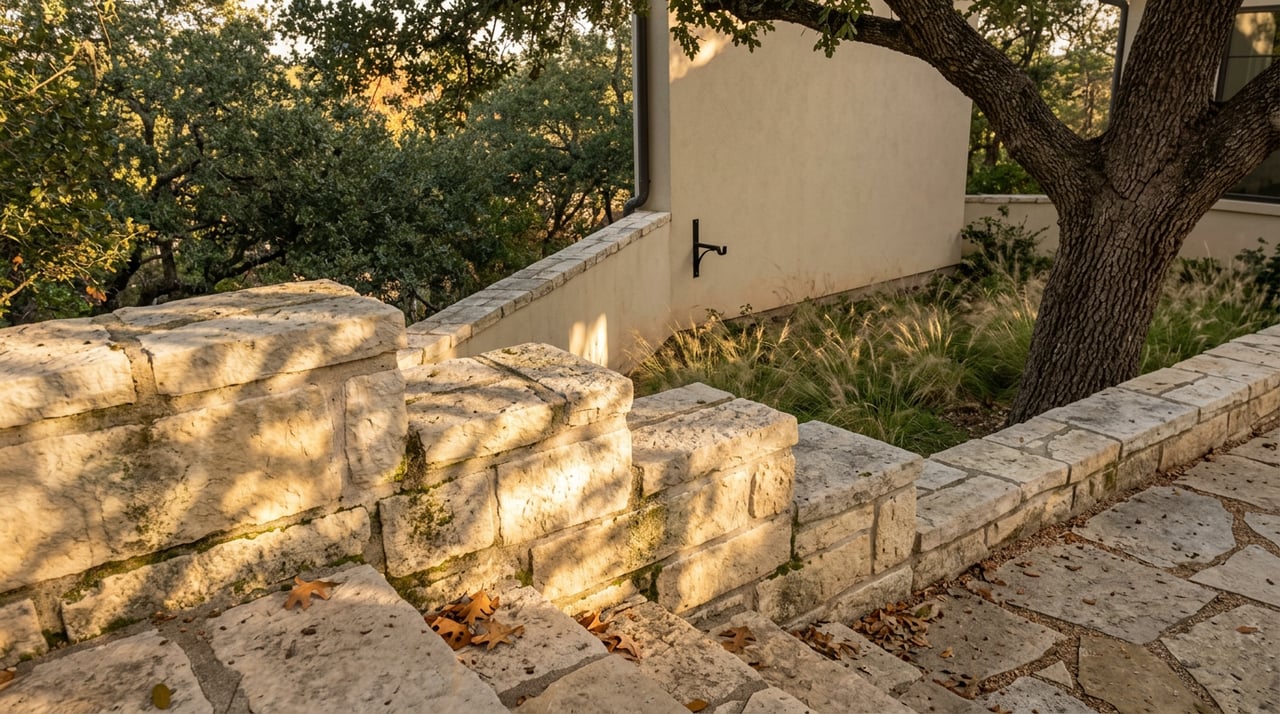
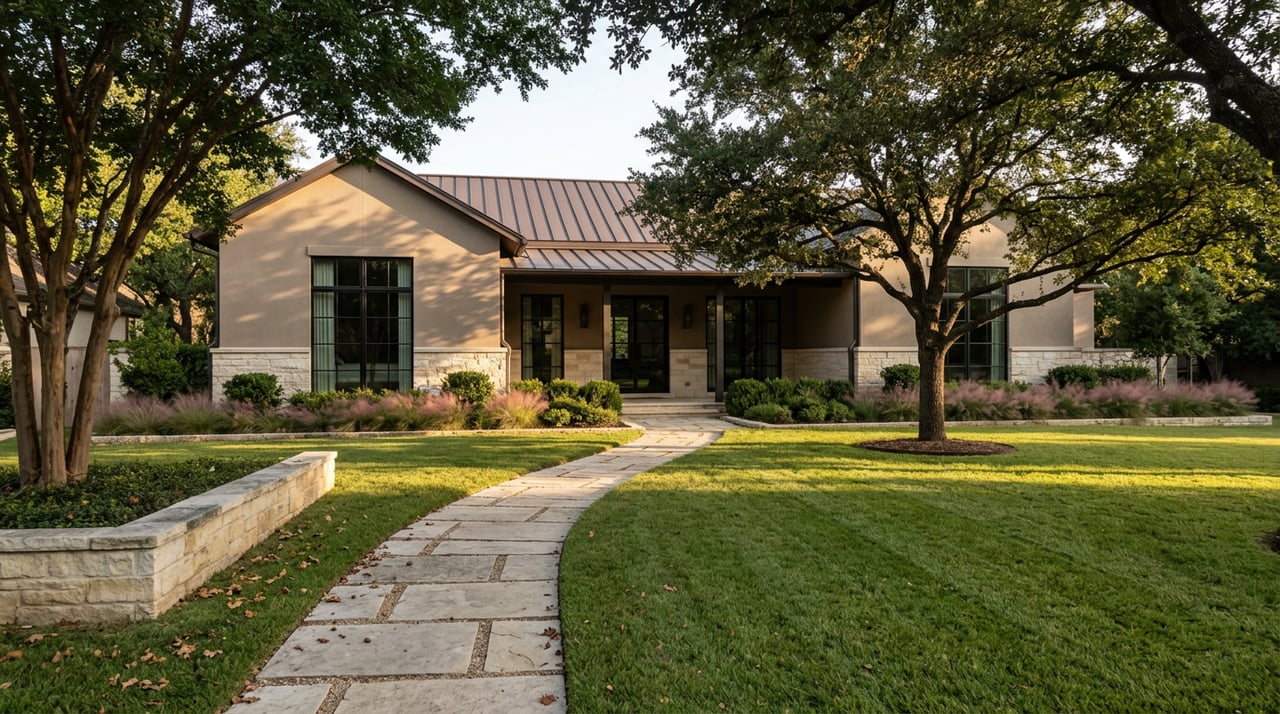
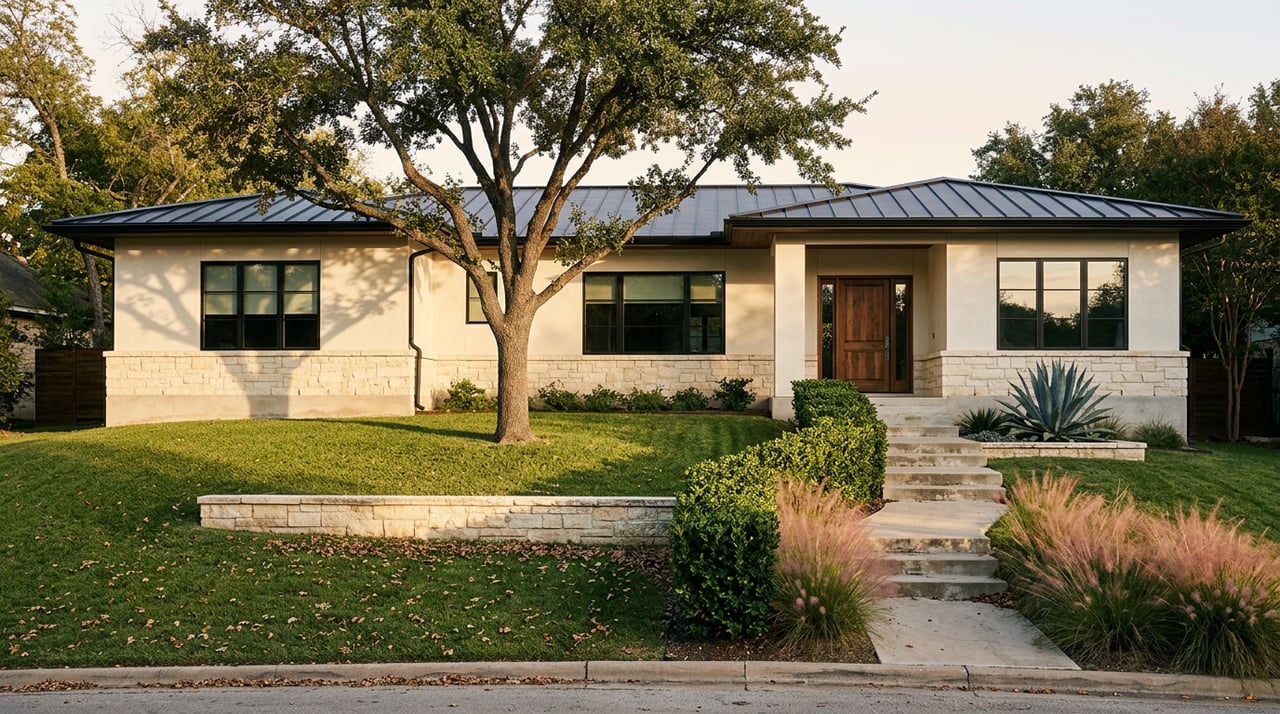
Most of Northwest Hills was built in the 1960s and 1970s, on lots cut into rolling limestone terrain rather than graded flat. Builders used a cut-and-fill technique: cut into the hillside on the uphill side, use that material to fill and level the downhill side, then pour the foundation across both. It was the standard, sensible way to build on a slope, and it's why so many of these homes have the hillside views and privacy buyers still want.
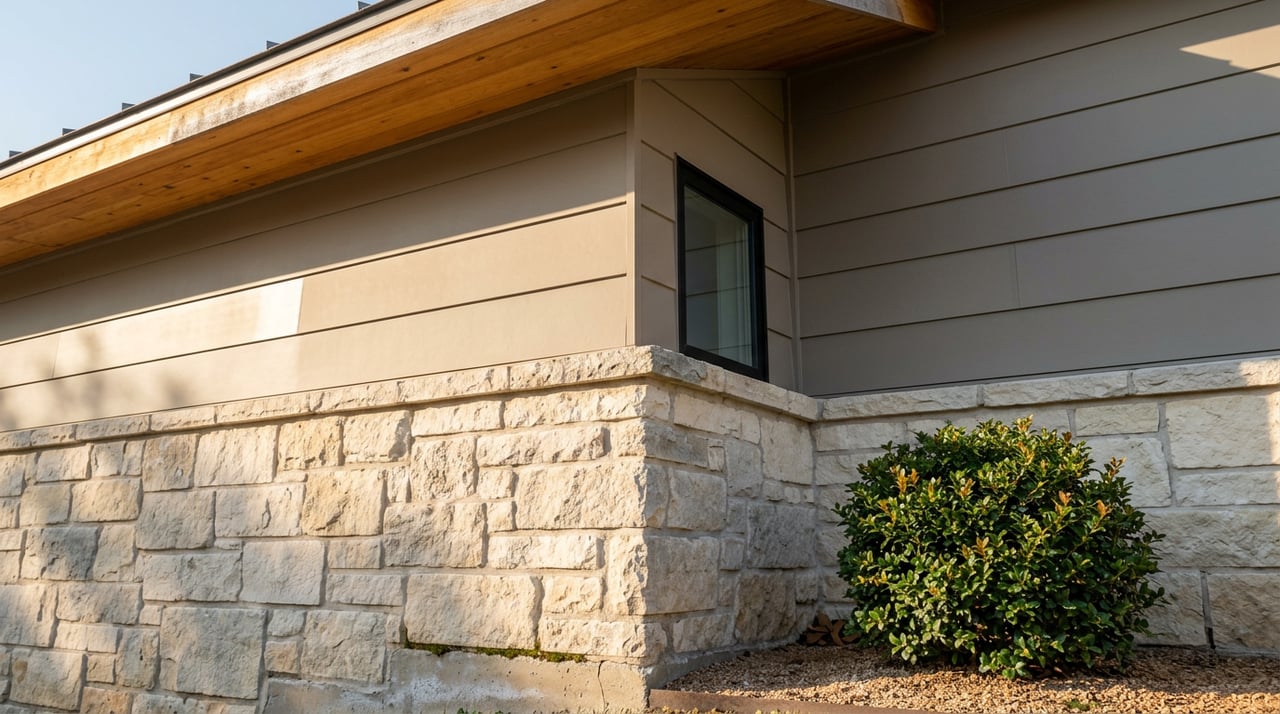
It also means a lot of foundations here are sitting on two different materials at once. Part of the slab rests on solid, undisturbed limestone bedrock. Another part rests on soil that was moved, compacted, and filled decades ago. Bedrock doesn't move. Fill soil settles, slowly, unevenly, for years after construction, especially as drainage patterns shift or roots grow underneath it. When those two sides of the same foundation settle at different rates, you get differential settlement: a stuck door here, a stair-step crack in the stucco there, a floor that's a quarter inch off level in the back bedroom.
None of this means the builder did anything wrong. It means the lot had a slope, and slopes get built on this way in West Austin. What it does mean is that two houses on the same street, built the same year by the same builder, can have completely different foundation stories depending on exactly where the cut-and-fill line fell when that specific lot was graded. Your neighbor's inspection can come back clean while yours doesn't, and it has nothing to do with maintenance.
The lot decides the inspection report before the buyer's engineer ever shows up.
Texas Property Code Section 5.008 requires most sellers of a previously occupied home to fill out a written disclosure notice before closing. The standard TREC form and the version many Texas agents use both ask directly about foundation and structural repair history. Here's the detail that catches sellers off guard: most repaired defects only need to be disclosed if they're still a current problem. If you fixed a running toilet, you don't have to mention it ever again. But a small handful of categories are treated differently under the form's own language: previous fires, previous flooding, previous foundation repairs, and previous structural repairs stay on the disclosure permanently, whether or not the work was successful, whether or not it's been ten years, whether or not the current owner is the one who paid for it.
That means the choice a Northwest Hills seller actually faces isn't fix versus don't fix. It's disclose now, on your own terms, with documentation and a completed repair behind you, or disclose later, mid-transaction, after a buyer's inspector finds it first. The geology doesn't change based on when you deal with it. The leverage does.
Sellers who wait find that out during the option period, which is exactly the wrong time to discover it. A buyer's structural engineer flags movement, the buyer's agent asks for a repair credit or a price reduction, and now you're negotiating a five-figure item on a ten-day clock with a motivated party across the table who has every incentive to price the risk conservatively. Sellers who order their own structural and drainage evaluation before listing get the same information on their own schedule, with time to get competing repair bids, and the option to either complete the work or price the home accordingly with an engineer's report already in hand.
Northwest Hills isn't one neighborhood with one set of building standards. It's more than 60 subdivisions stitched together along Far West Boulevard and Mesa Drive, many with their own deed restrictions but without a mandatory homeowners association enforcing them consistently. That patchwork matters here specifically because a lot of the retaining walls, additions, and drainage work on these hillside lots were done by previous owners, sometimes decades ago, sometimes without the kind of paper trail a buyer's engineer wants to see.
If a retaining wall holding back one side of a graded lot was built in 1987 and nobody kept the permit, that's not automatically a defect. It's a documentation gap, and documentation gaps read as risk to a buyer's inspector even when the wall itself is sound. Sellers who can produce any paperwork on past grading, drainage corrections, or retaining wall work, even informal records, close that gap before it becomes a negotiating point.
The sellers who come out ahead on this issue follow roughly the same order of operations, and it starts well before the photographer shows up.
First, order a structural and drainage evaluation before you list, not after an offer comes in. This typically costs a few hundred dollars and tells you, in writing, whether what you're seeing is cosmetic settling that's stable or active movement that needs correction. Foundation restoration work in the Austin area generally runs from around $8,000 for targeted drainage correction up to $75,000 or more for full structural rebuilds on historic or heavily compromised foundations, and most contractor timelines run three to seven days for a standard repair. Knowing which end of that range you're dealing with, before a buyer's inspector tells you, is the entire game.
Second, pull together whatever paperwork exists: invoices, warranties, prior inspection reports, anything documenting past work on the foundation, retaining walls, or drainage. Attach it to your disclosure. A documented, professionally completed repair reads to a buyer as a solved problem. An undocumented one reads as an open question, even if the work itself was fine.
Third, decide deliberately whether to complete repairs before listing or disclose current condition with a completed engineer's evaluation in hand. Both are legitimate strategies. What doesn't work is hoping a buyer's inspector won't notice a hillside cut-and-fill lot with settlement cracking, because in Northwest Hills, that's usually the first thing they're trained to look for.
If a previous owner did the foundation repair, not me, do I still have to disclose it? Yes, if you know about it. The disclosure form asks about the history of the property, not just what happened during your ownership. Records and invoices can document the property's history.
Does hiring a structural engineer before I list create a disclosure obligation I wouldn't otherwise have? If the engineer's report finds nothing wrong, you've simply confirmed the home is sound and can say so with documentation. If it finds movement, that's information a buyer's inspector would likely find anyway, and finding it first gives you time to address it or price around it instead of negotiating from behind.
This isn't legal advice, and every disclosure situation has its own facts. A Texas real estate attorney or your agent can walk through the specifics of your property's history before you complete the form.
Northwest Hills rewards buyers and sellers who understand what the hillside is actually doing underneath the house, not just what the listing photos show. If you're weighing when to order that evaluation or how to price a home with a documented repair in its history, Liz King has handled exactly this conversation across Northwest Hills' hillside lots and can help you build a pre-listing sequence that keeps the negotiation on your terms. Schedule a consultation to talk through your specific address before it goes on the market.
Stay up to date on the latest real estate trends.

With Liz, it’s not just about the sale—it’s about the relationship. She takes the time to understand your goals, then works tirelessly to help you achieve them.