Living In Westover Hills: Quiet Streets Near It All
May 7, 2026
May 7, 2026
Looking for a neighborhood that feels tucked away without putting the rest of Austin out of reach? Westover Hills stands out for exactly that balance. If you want mature trees, established homes, and quick access to major roads, this guide will help you understand what living in Westover Hills is really like and why so many buyers are drawn to its quiet, central feel. Let’s dive in.
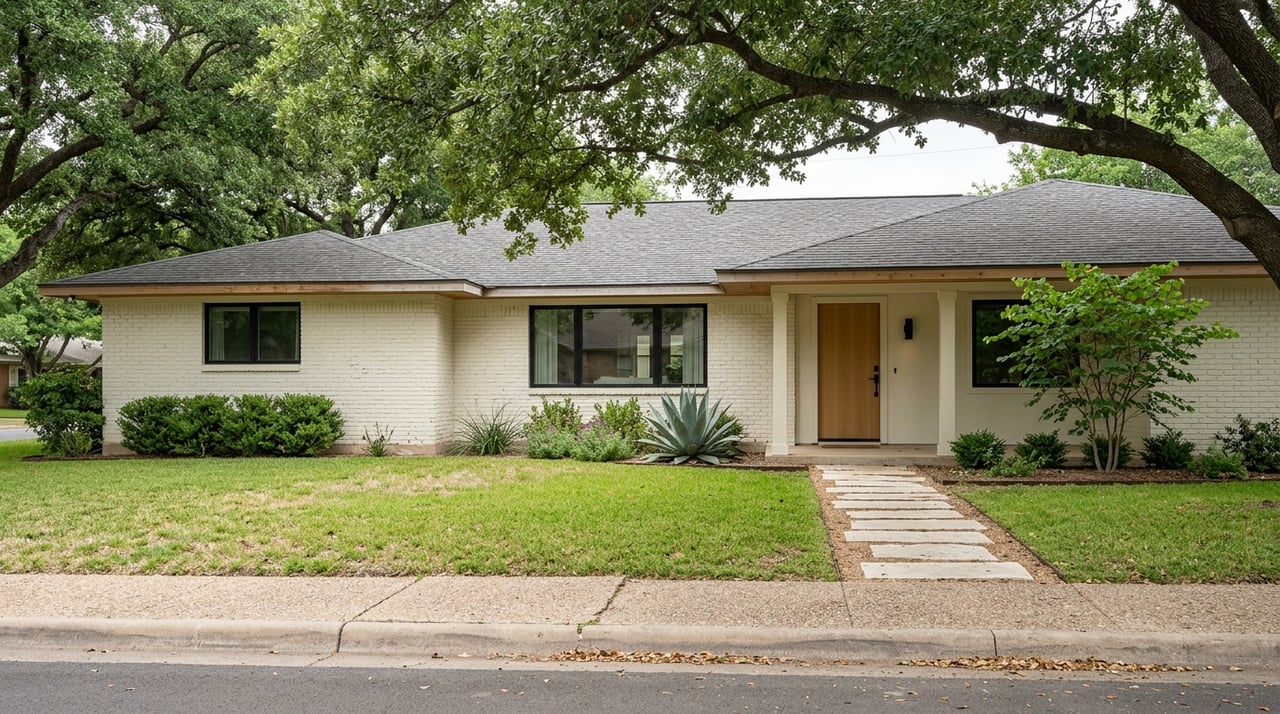
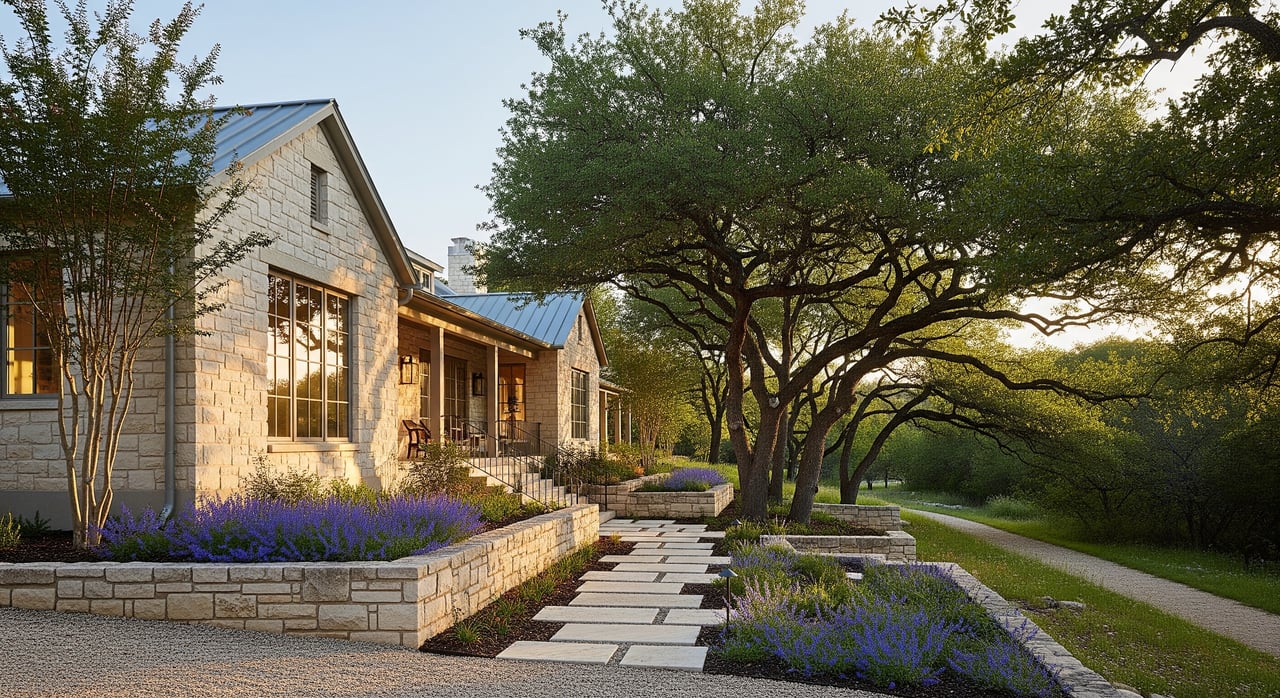
Westover Hills is an established neighborhood in west and northwest Austin, recognized by the City of Austin as part of its Neighborhood Reporting Areas. It is known for a scenic, wooded setting with mature live oaks, sidewalks, and quiet residential streets. That gives the area a calm, settled feel that is very different from a newer master-planned community.
The neighborhood is also well placed geographically. Local sources place Westover Hills east of Loop 360 and near the Arboretum, which helps explain its reputation for being quiet but still close to everyday essentials. If you value privacy and convenience in the same package, that combination is a big part of the appeal.
Many buyers are looking for more than just a house. They want a setting that supports day-to-day life, whether that means easier commutes, room to spread out, or simply a more peaceful atmosphere. Westover Hills fits that search well because it offers an older Austin neighborhood feel with practical access to shopping, dining, and major roads.
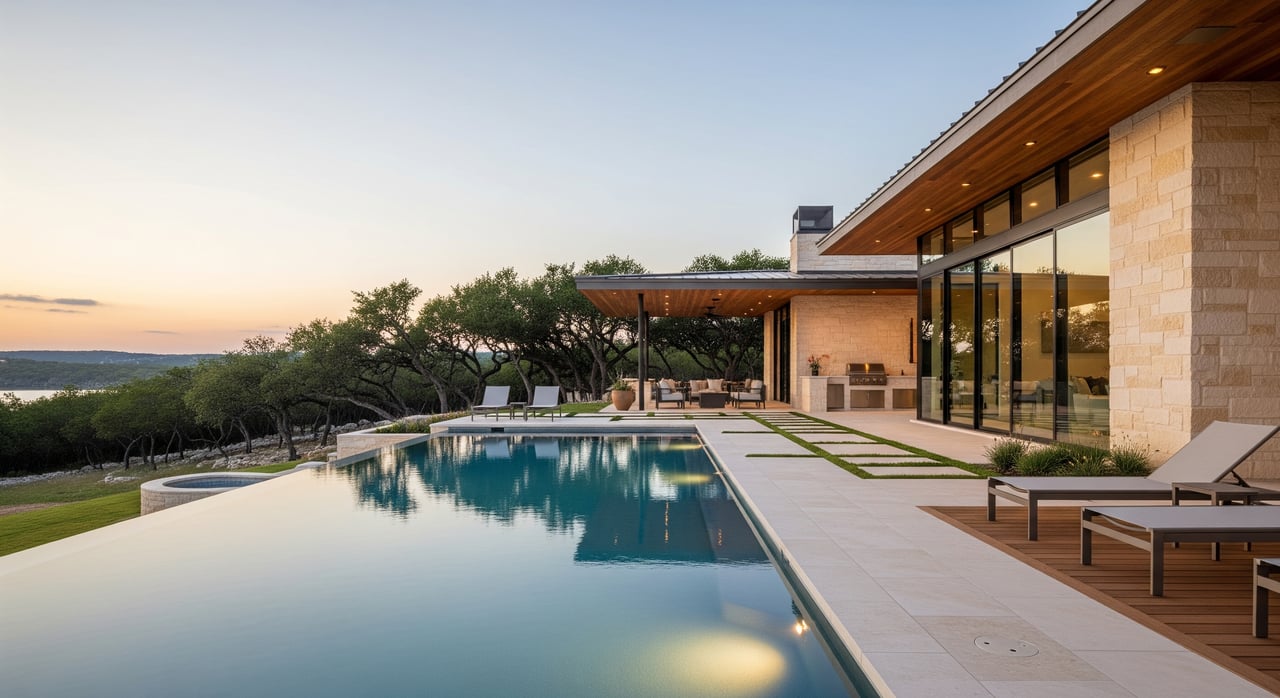
Instead of a uniform, new-build look, you will find a neighborhood with character. The trees are mature, the streetscape feels established, and the topography adds visual variety. For buyers who want something that feels rooted in place, that can be a major advantage.
One of the biggest draws of Westover Hills is its low-key environment. Local neighborhood descriptions consistently point to quiet streets, sidewalks, and a wooded backdrop. Some homes even back to hillsides and canyons, which can add privacy and a stronger connection to the landscape.
That does not mean the area feels isolated. It simply offers a calmer residential experience than busier parts of the city. If your ideal home base is peaceful without being remote, Westover Hills checks an important box.
Westover Hills began developing in the 1960s, and that history still shapes the neighborhood today. The housing stock skews older and is primarily single-family, which contributes to a more mature and layered streetscape. You are not looking at a place where every house follows the same template.
That older-neighborhood character often appeals to buyers who want individuality in both homes and lots. It also means streets can feel less repetitive and more visually interesting. In a market where many neighborhoods can blend together, Westover Hills offers a more distinct identity.
If you are considering a move here, it helps to know that Westover Hills is not one-size-fits-all. City subdivision records show that lot sizes and subdivision patterns vary by section. That means the experience from one street to the next can be meaningfully different.
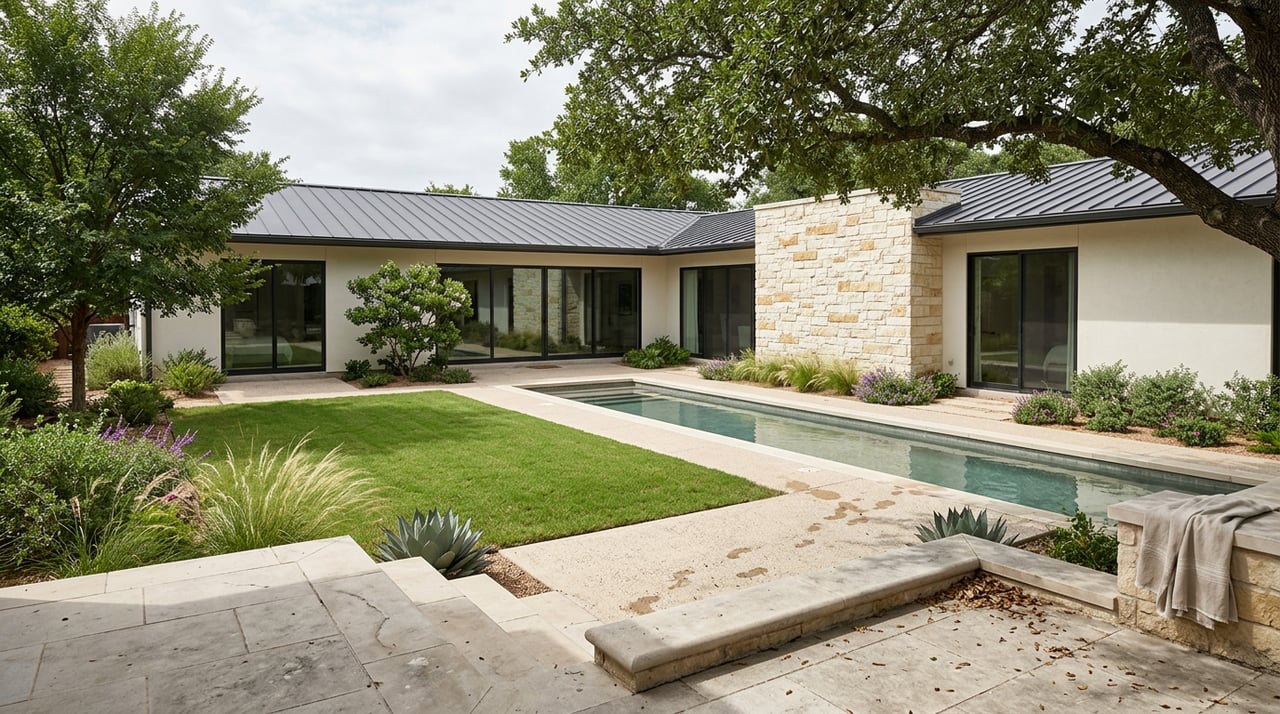
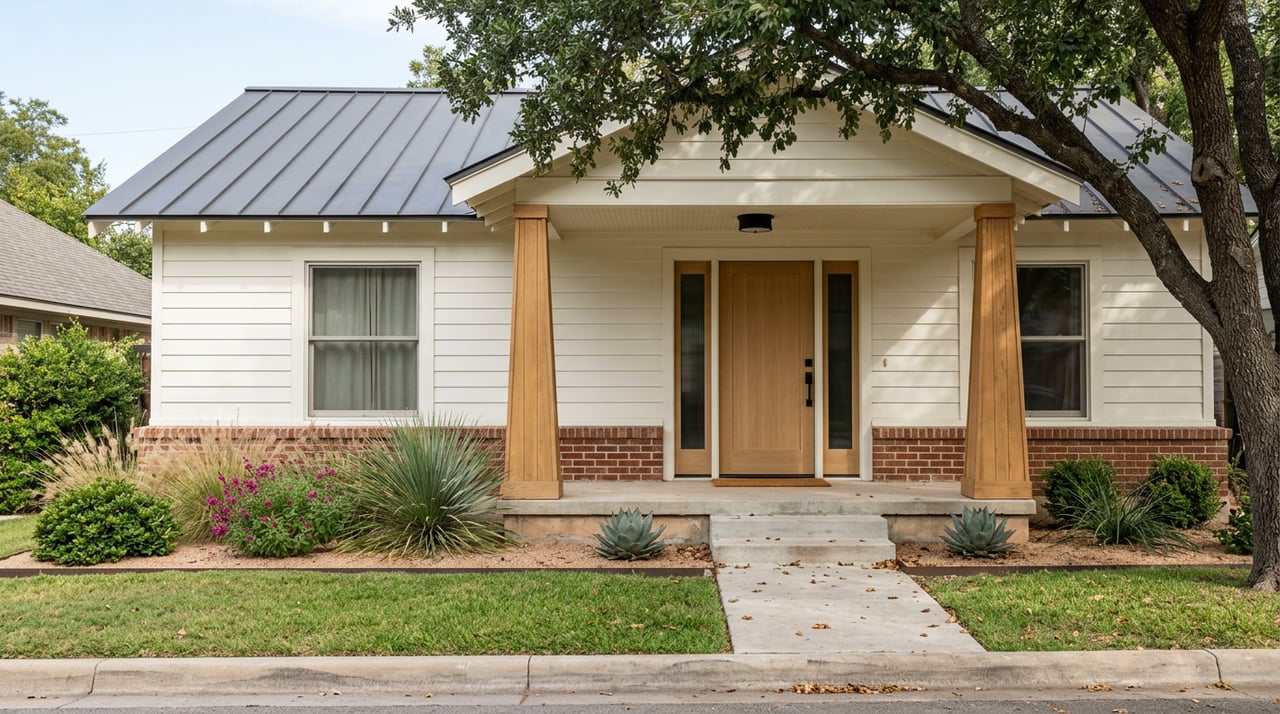
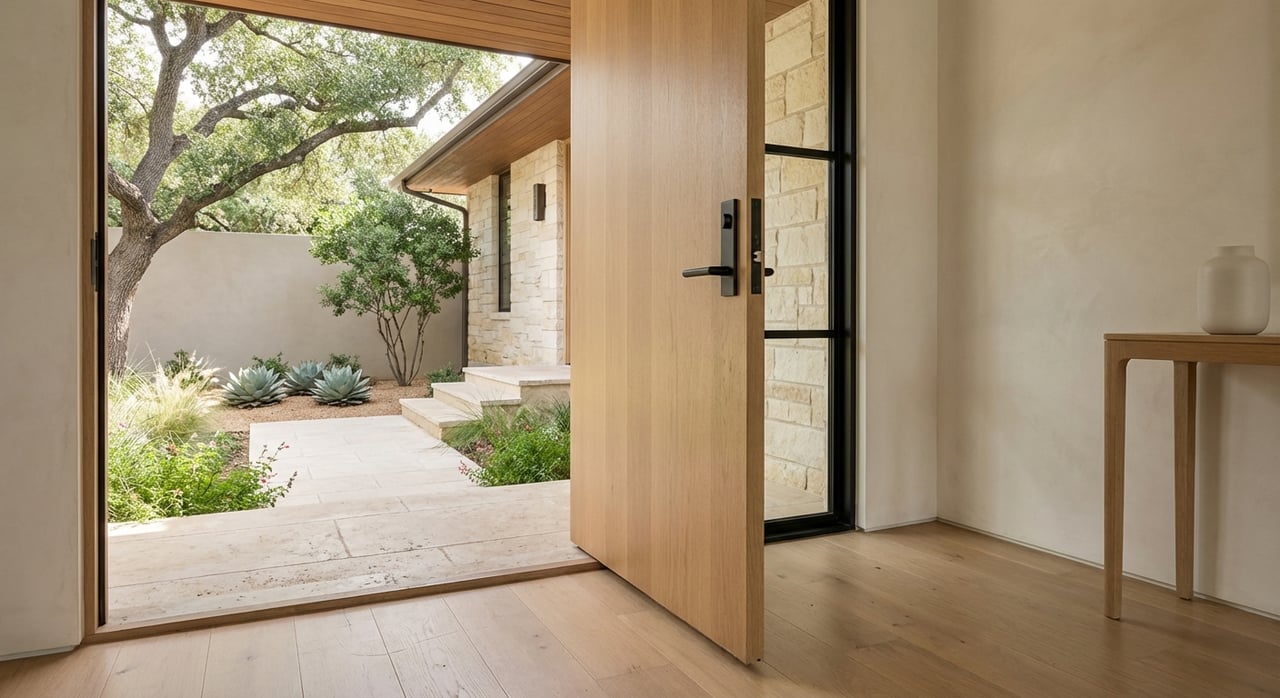
Local guides describe a mix of ranch, New Traditional, and contemporary homes. That blend gives buyers options, whether you prefer classic lines, updated interiors, or a more modern design.
Because development began decades ago, many homes reflect a range of architectural styles rather than a single era of construction. You may see original ranch homes, renovated properties, and newer updates within the same general area. For buyers, that creates opportunities to find a home that matches both your taste and your long-term plans.
The neighborhood’s single-family focus is especially appealing if you want more separation between homes than you might find in denser parts of Austin. Combined with mature landscaping, that can support a stronger sense of privacy.
Subdivision records highlight just how much variation exists. One 1968 section plan showed six lots averaging 100 by 150 feet, while a 1976 preliminary subdivision showed 107 lots averaging 80 by 175 feet. A 2020 review also involved splitting a 0.4329-acre parcel into two lots.
The takeaway is simple: not every property in Westover Hills will feel the same. Lot width, depth, slope, and usable outdoor space can differ substantially. If you are comparing homes here, it is smart to look beyond square footage and pay close attention to how the lot actually lives.
City documents also reference topography and slope variances, which suggests home siting can vary quite a bit throughout the neighborhood. Some homes may sit on flatter lots, while others may be shaped by hillsides, canyons, or elevation changes. That can influence views, privacy, backyard usability, and even the overall feel of the home.
For buyers, this is one of the most important reasons to evaluate each property individually. Two homes with similar stats on paper may offer very different outdoor experiences in person.
A big part of Westover Hills’ appeal is how easily you can connect to the rest of northwest Austin. Local neighborhood profiles place it minutes from MoPac, US 183, and Loop 360. That road access can make daily routines more manageable, whether you are commuting, meeting friends, or running errands.
This location also puts several major retail and dining areas within easy reach. You get the benefit of a quieter home setting without giving up convenience.
The Arboretum at 10000 Research Blvd. is one of the nearby anchors for shopping and dining. It describes itself as Austin’s premier shopping destination, and for many Westover Hills residents, it is part of the neighborhood’s everyday convenience. Having that nearby can simplify everything from weekday errands to casual dinners out.
For buyers relocating to Austin, this is often the kind of detail that helps a neighborhood feel livable right away. You are not just buying a home. You are choosing how easy daily life will feel once you move in.
Domain NORTHSIDE is another major nearby destination, with more than 130 retail stores and restaurants plus 37 dining options. It is positioned as a go-to spot in Austin for shopping, dining, and entertainment. For Westover Hills residents, that means another strong option is close by when you want variety.
This kind of access is especially valuable if you want a residential neighborhood that still keeps you connected to activity. You can enjoy quiet at home and still be a short drive from some of northwest Austin’s busiest commercial hubs.
Westover Hills also benefits from nearby recreational options. If staying active or having access to green space matters to you, that is another point in the neighborhood’s favor. The nearby amenity mix supports both structured recreation and time outdoors.
The private Westover Hills Club offers tennis, a pool, a gymnasium, event space, and other amenities. Availability and membership details should always be confirmed directly, but its presence adds to the neighborhood’s established community feel.
Bull Creek District Park is another notable nearby resource. The park includes restored riparian habitat along Bull Creek, offering a natural setting that complements the wooded character many people already associate with this part of Austin. For residents who enjoy getting outside, that nearby access can add real value to daily life.
This is part of what gives Westover Hills its balanced lifestyle appeal. You are close to roads and retail, but you are also near places that help Austin feel like Austin.
Westover Hills tends to appeal most to buyers who want an established Austin neighborhood instead of a brand-new subdivision. If you are drawn to trees, privacy, and homes with more variation in style and setting, this area deserves a closer look. It is especially compelling if location matters just as much as neighborhood atmosphere.
Relocating buyers often appreciate the quick orientation this area provides. It feels residential and grounded, yet nearby roads and retail make it easy to plug into daily life. That can reduce some of the friction that comes with moving to a new city.
For move-up buyers, the neighborhood’s mix of lot patterns, mature landscaping, and single-family homes may offer the lifestyle shift they are after. You may find more individuality here than in a newer development, along with a setting that feels settled from day one.
Because Westover Hills has meaningful variation from one section to another, due diligence matters. A home’s value is not just about the interior finishes. Lot shape, slope, street position, and access can all affect how a property functions.
As you narrow your search, keep these points in mind:
A neighborhood like this rewards a more detailed, property-by-property approach. That is often where local insight makes the biggest difference.
If you are thinking about buying or selling in Westover Hills, working with a neighborhood-focused advisor can help you see past the headline features and evaluate what truly fits your goals. For tailored guidance, local insight, and a hands-on approach, connect with Liz King.
Stay up to date on the latest real estate trends.
With Liz, it’s not just about the sale—it’s about the relationship. She takes the time to understand your goals, then works tirelessly to help you achieve them.